


Antibody-drug conjugates (ADCs) use antibodies to selectively deliver highly potent payload drugs to tumour cells to achieve therapeutic purposes. Because of their high targeting specificity and broad therapeutic window, ADC drugs are called "magic bullets". In particular, the outstanding efficacy of the ADC drug Enhertu in HER2-positive breast cancer and gastric cancer patients has further fueled enthusiasm in the industry for ADC antitumour drug development. Comprehensive activity evaluation of ADC drugs from an in vitro pharmacodynamic perspective is critical to the success of ADC drug development.
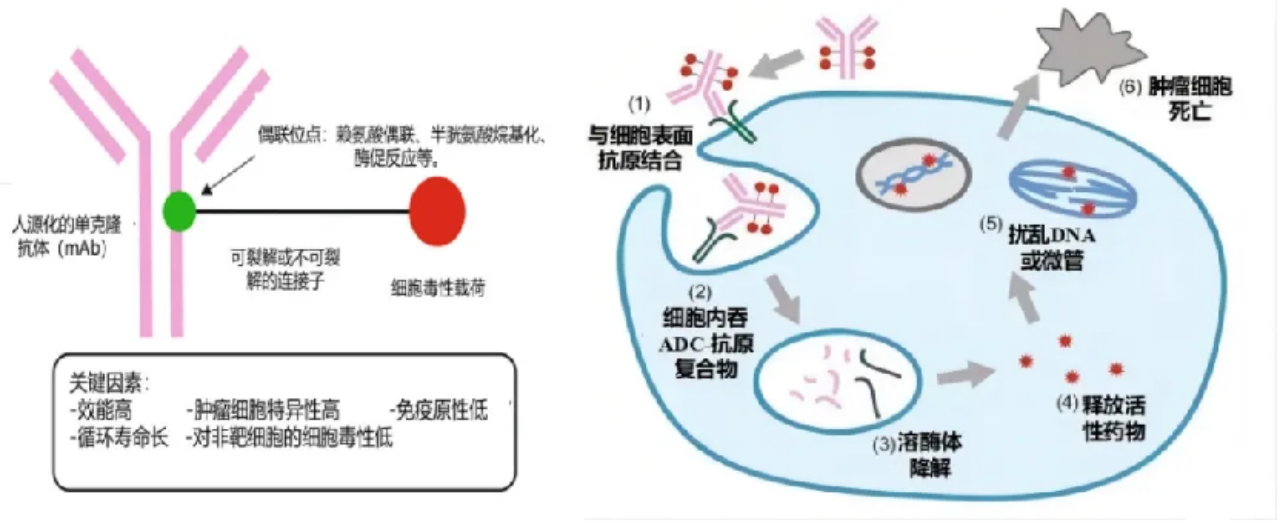
(Structure and mechanism of action of ADC drugs: Protein Cell. 2018 Jan;9(1):33-46)
Mechanism of action of ADC drugs: When ADCs reach cancer cells through the blood circulation, they first bind to the corresponding antigen and enter the cell via receptor-mediated endocytosis. The linker is then cleaved by the low pH inside the cell or by lysosomal enzymes, releasing the active cytotoxic drug. The free small-molecule cytotoxic drug binds to its target, leading to tumour cell death.
By systematically mapping the process of ADC antitumour activity, we can determine which properties of the ADC affect its efficacy at each key step, thereby identifying the key technical indicators for evaluating ADCs. From this perspective, the antitumour efficacy of ADCs can be broadly divided into the following eight steps and four development stages.

The detection indicators in the eight steps above are all important for ADC research; however, for preclinical in vitro pharmacodynamics, greater attention is paid to the four steps highlighted in red boxes. Next, we will elaborate on the key ADC technical indicators and detection methods for these four steps.
(1) Antigen Binding – Affinity
There is no function without binding, and binding always precedes function. Binding and function are the two most important aspects of preliminary in vitro efficacy evaluation. For antigen-affinity binding, detection methods are typically available at two levels: ① molecular level and ② cellular level. If the drug design involves Fc-mediated antitumour activity, additional assays such as ADCC, ADCP and CDC are required.
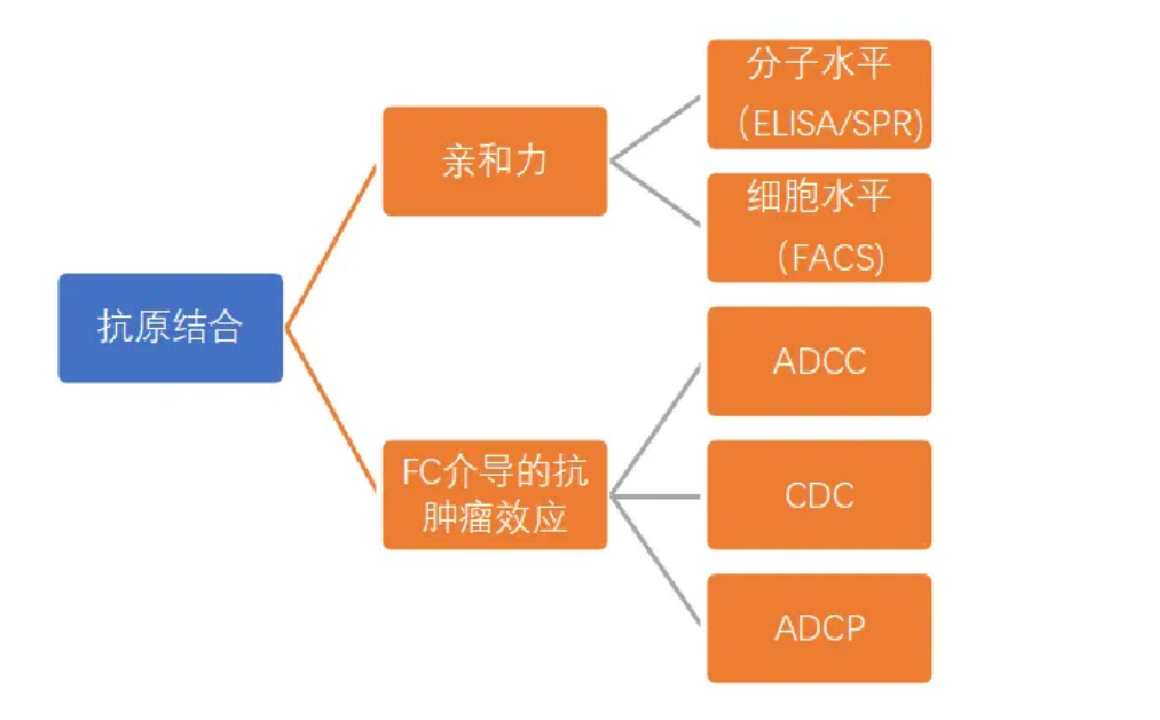 Case Study of Affinity Evaluation
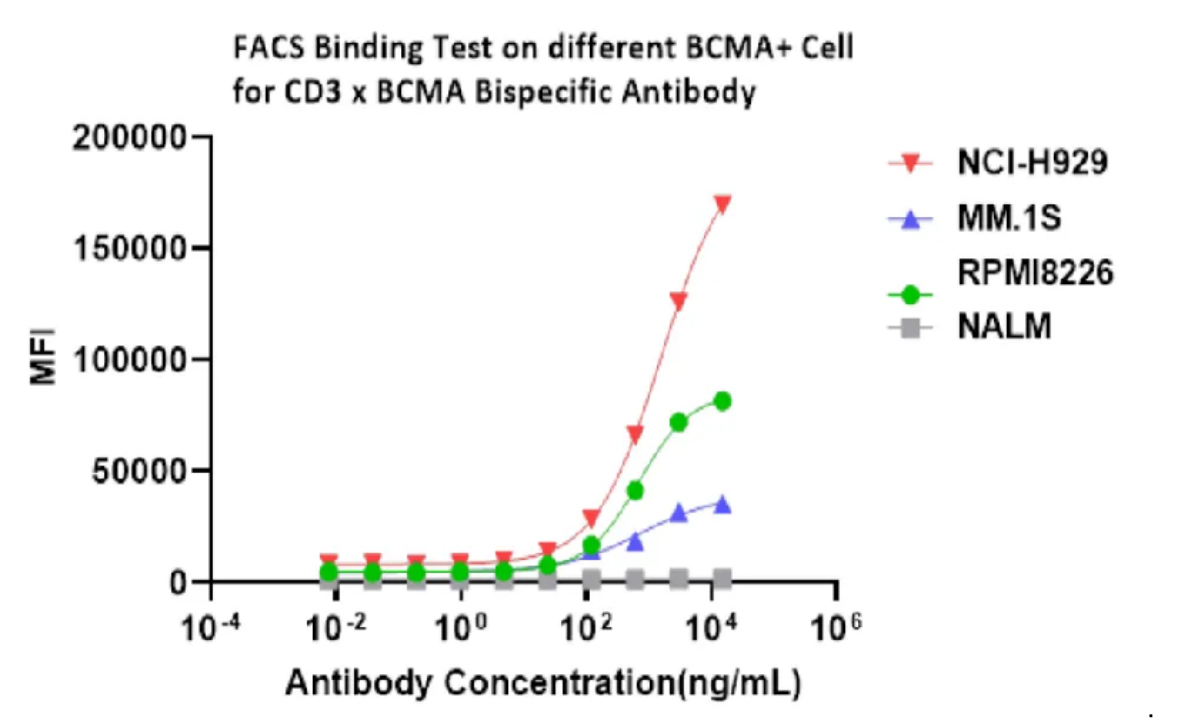
(Cellular level)
(2) Endocytosis – Endocytosis Kinetics
After ADC drugs bind to tumour cell surface antigens, their primary antitumour mechanism is to enter the cell through endocytosis and release the small molecule. Therefore, the endocytosis kinetics of ADC drugs must be considered in further pharmacodynamic testing. A common detection method is to fluorescently label the antibody portion of the ADC; these fluorescent labels are closely related to pH, with lower pH producing stronger fluorescence. For example, after an ADC drug enters the lysosome, where the pH is around 4.7, the tumour cells emit strong fluorescence, allowing direct evaluation of the endocytosis process by FACS or fluorescence tracing of live cells under a fluorescence microscope.
Case Study of Endocytosis Detection
To investigate the effects of different times, temperatures and drug concentrations on ADC endocytosis efficiency, the drug is labeled with a fluorescent tag (which only fluoresces under the acidic conditions inside the cell), and the endocytosis efficiency is measured by flow cytometry.
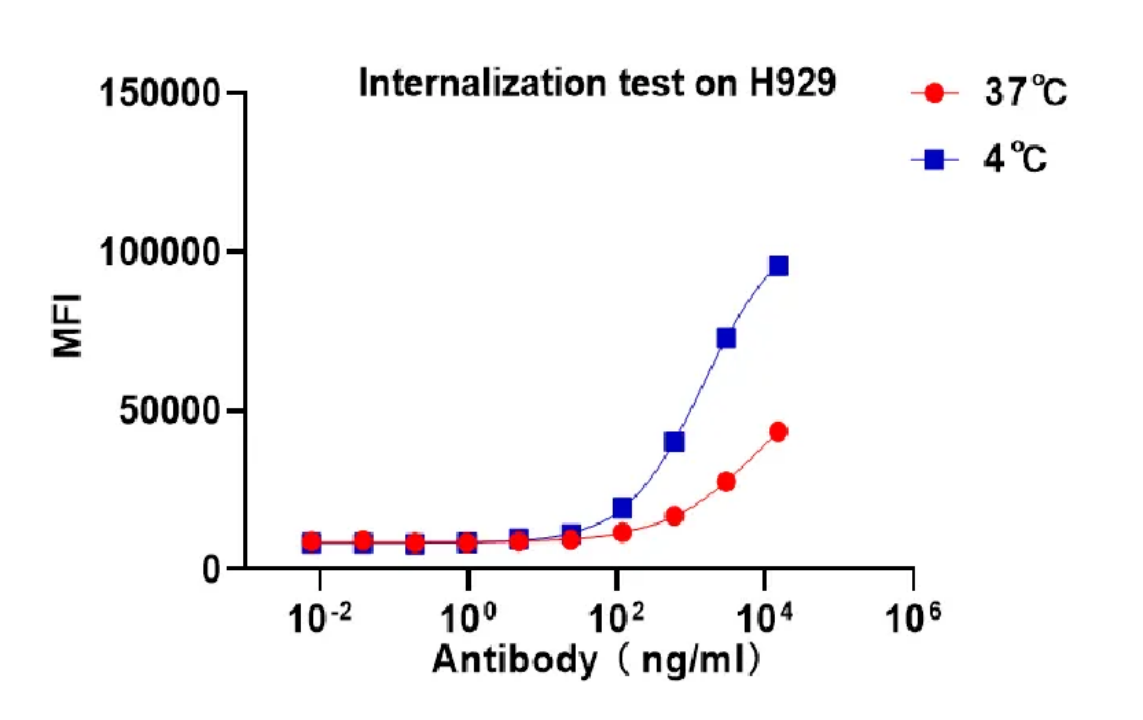
(3) Payload Release – Mechanism of Action of the Small-Molecule Drug
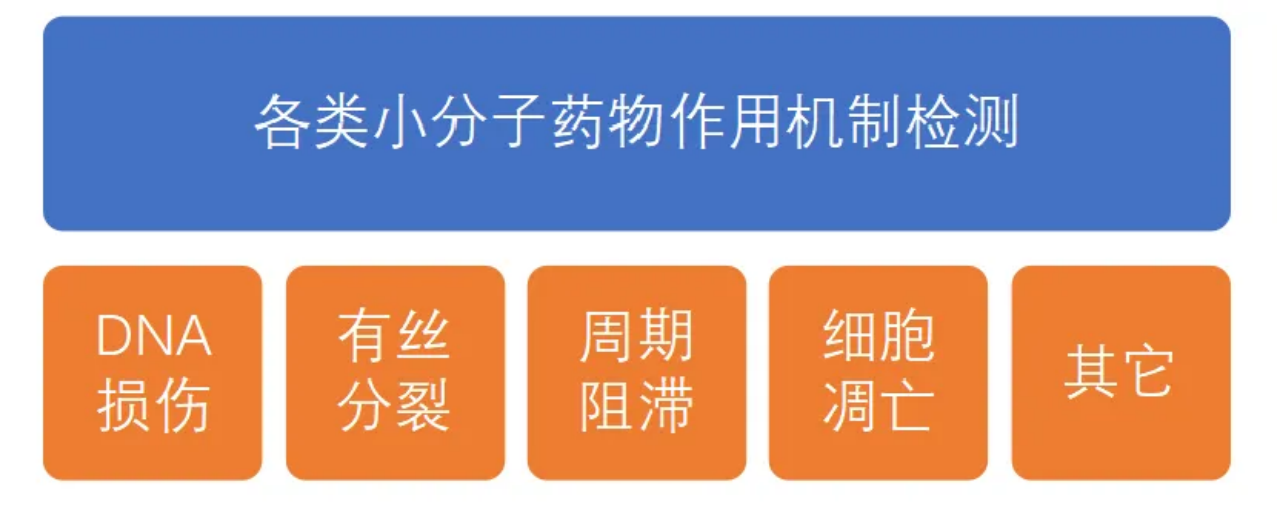
ADC drugs release small-molecule drugs inside cellular organelles. The mechanisms of action of these small molecules are mostly well-defined; what needs to be done is to verify whether the released small-molecule drug produces the expected tumour-killing effect. For example, for alkylating small molecules, DNA damage in tumour cells is typically detected; for microtubule-inhibitor small molecules, mitotic arrest is typically induced, ultimately leading to apoptosis. These can all serve as detection indicators for verifying the mechanism of action of small molecules.
(4) Cell Killing
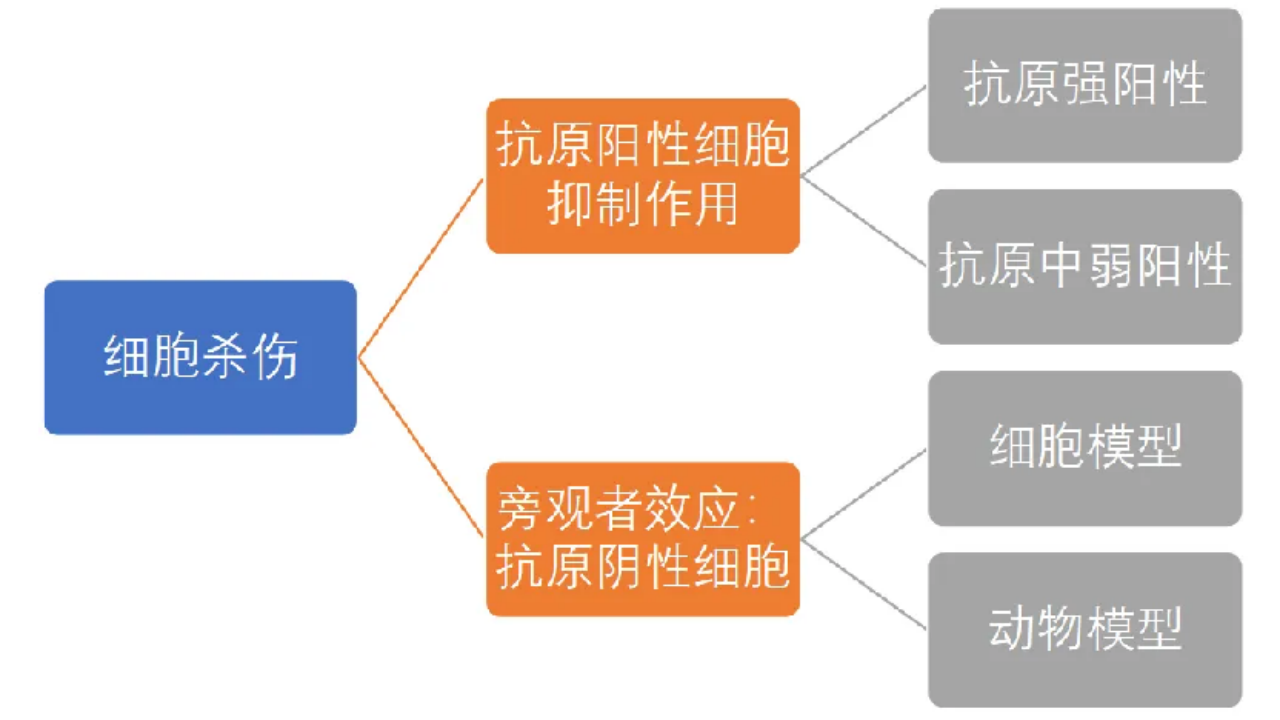
After the preceding mechanisms of action have taken effect, the pharmacodynamics of the ADC drug at the cellular level – i.e., its killing effect on tumour cells – can be assessed. This effect can be considered from two dimensions: ① killing of antigen-positive cells; ② bystander effect – the killing of surrounding antigen-negative cells by the released small-molecule drug in the presence of antigen-positive cells.
Case Study of Cell Killing
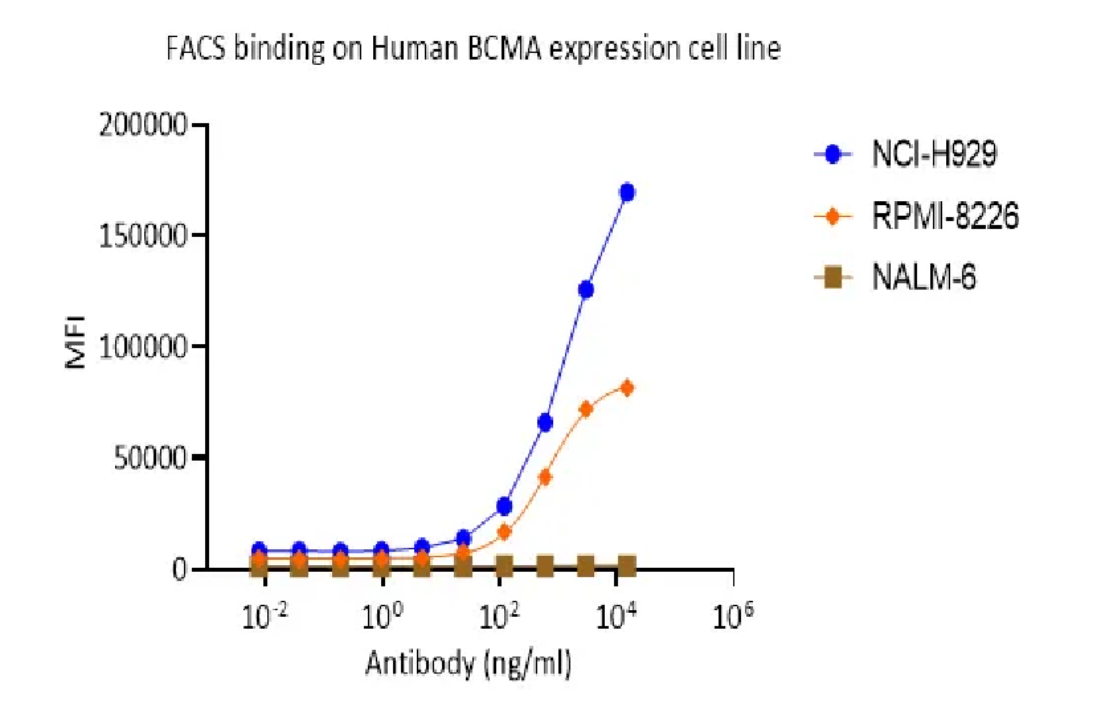
(Quantitative detection of cell-surface antigen expression)
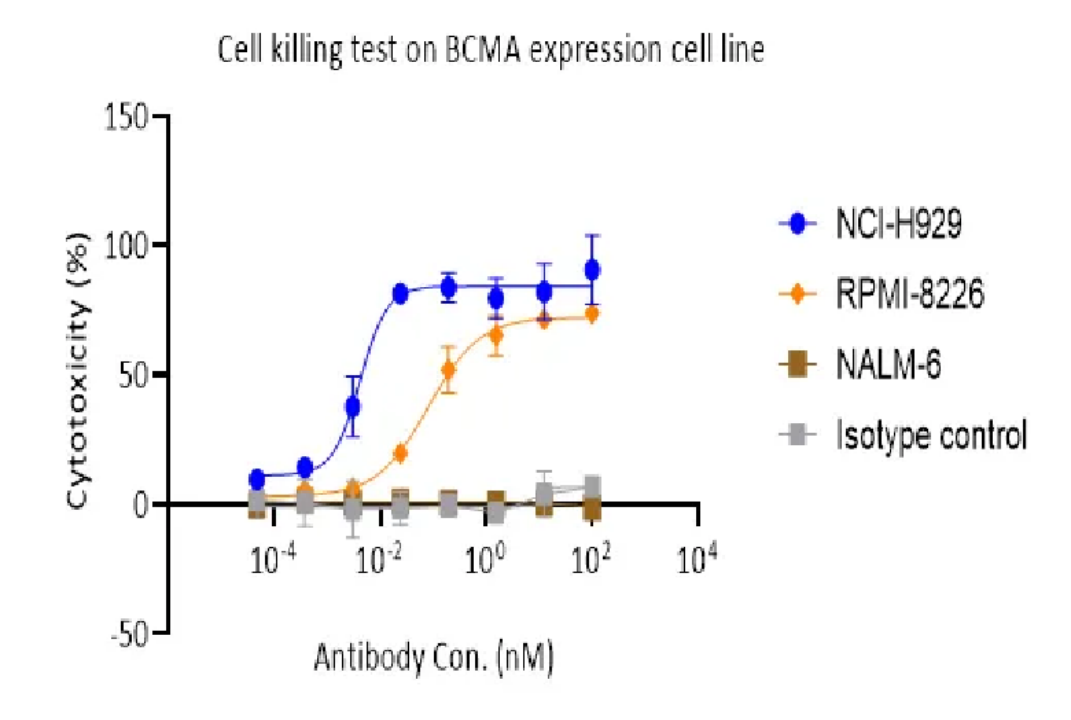
(Detection of killing efficacy against antigen-positive cells)
References
[1]Chau CH, Steeg PS, Figg WD. Antibody-drug conjugates for cancer. Lancet. 2019;394(10200):793-804. doi:10.1016/S0140-6736(19)31774-X
[2]Nicolò E, Giugliano F, Ascione L, et al. Combining antibody-drug conjugates with immunotherapy in solid tumors: current landscape and future perspectives. Cancer Treat Rev. 2022;106:102395. doi:10.1016/j.ctrv.2022.102395
[3]Park SJ, Ye W, Xiao R, et al. Cisplatin and oxaliplatin induce similar immunogenic changes in preclinical models of head and neck cancer. Oral Oncol. 2019;95:127-135. doi:10.1016/j.oraloncology.2019.06.016

