


Background
With the rapid advance of genetic engineering, cell therapies led by CAR-T have attracted considerable attention. The underlying principle is straightforward: a patient’s T cells are engineered ex vivo so that they express on their surface a CAR (chimeric antigen receptor) that specifically recognizes a target antigen. Once reinfused, these cells recognize tumor-associated antigens (TAAs), activate the downstream signaling pathway and release granzyme, perforin and other effector molecules to carry out targeted killing.
As immunological research has deepened, CAR constructs are no longer confined to T cells. New cell therapies built on CAR technology — CAR-NK, CAR-NKT, CAR-macrophage (CAR-M), CAR-Treg and CAR-γδT — have emerged and show broad prospects in immunotherapy.
As a critical element of CAR cell quality control, the CAR positivity rate determines whether a cell therapy succeeds in the clinic, and the relevant national regulations set explicit testing requirements. CAR positivity testing runs through the entire R&D and manufacturing cycle of a CAR cell product: expression after transduction or transfection at the early research stage, quality assessment of the CAR cell product during CMC, and PK evaluation in the clinic. Choosing an accurate, rapid and convenient method for CAR positivity is therefore of particular importance.
Structure of the CAR Molecule
The CAR molecule is assembled in a modular fashion: an extracellular antigen-binding domain, a hinge region, a transmembrane domain and an intracellular signaling domain. The extracellular single-chain variable fragment (scFv) is composed of the variable domains VH and VL plus a linker, and it is this element that confers on the CAR cell its ability to recognize a particular antigen.
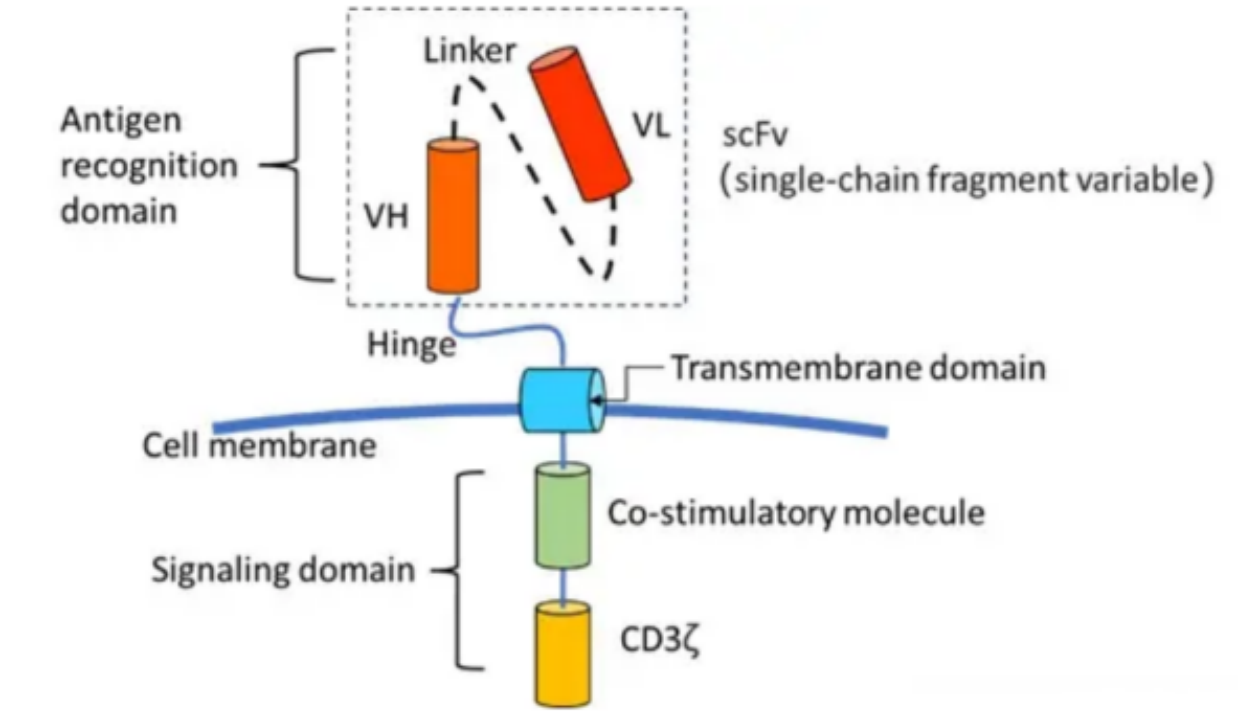
Figure 1. Modular architecture of a CAR. The scFv comprises VH, VL and a linker; it is anchored through the hinge and transmembrane domains and signals through a co-stimulatory molecule and CD3ζ.
Because the VH and VL sequences of the scFv are designed differently for each tumor target, every product iteration requires a newly developed, idiotype-validated reagent for CAR positivity testing before surface CAR expression can be measured. The result is high assay cost, long turnaround times and poor specificity — all of which delay development. Is there a universal detection site that can confirm CAR expression? The answer is yes. The amino acid sequence of the linker within the scFv is fixed and does not change with the TAA target, so an anti-linker antibody can be used to detect CAR positivity specifically.
Linker Types
On the basis of amino acid sequence, linkers fall into two classes. One is (Gly-Gly-Gly-Gly-Ser)n — four Gly residues plus one Ser repeated n times, forming a flexible linker. The other is the Whitlow linker sequence, which is not discussed here.
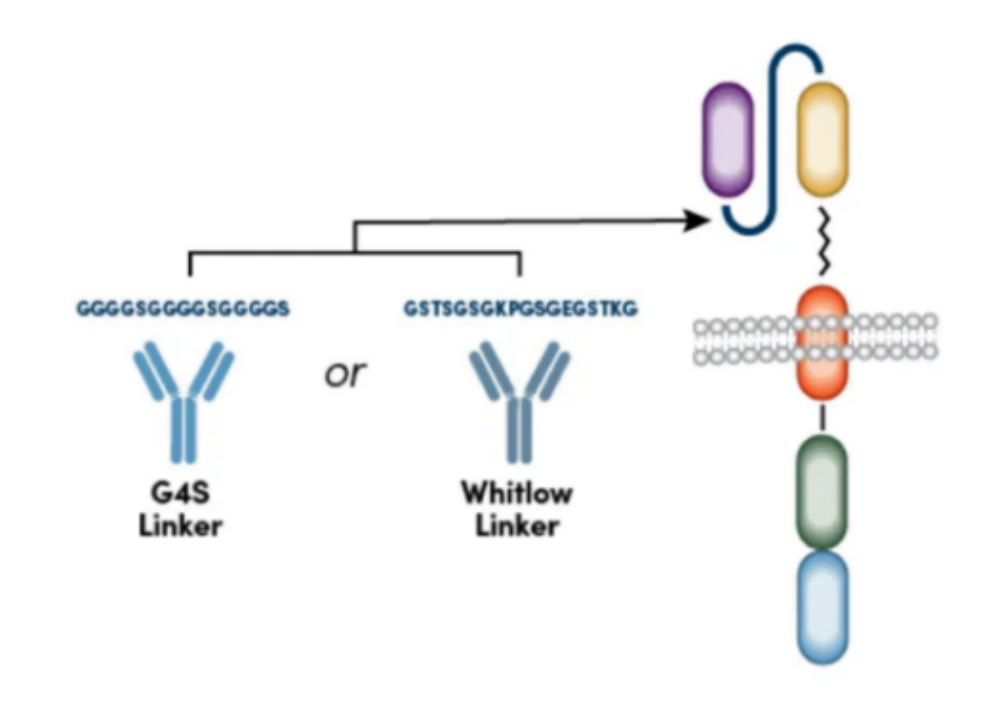
Figure 2. The two linker classes used in scFv constructs: the flexible G4S linker (GGGGS)n and the Whitlow linker.
To address these pain points in CAR positivity testing, Sailybio has launched an antibody that is simple to use, efficient and highly universal: Anti-G4S linker (905-5) mAb. It specifically recognizes G4S-containing linkers and is used to detect CAR expression.
Product Information
Product name: Anti-G4S linker (905-5) mAb
Antibody type / isotype: Rabbit monoclonal antibody, IgG
Specificity / sensitivity: Specifically binds exogenous CAR molecules carrying a (G4S)n linker (n ≥ 2)
Source: Raised by immunizing New Zealand White rabbits with a synthetic tandem G4S linker peptide
Fluorescent channels: APC, PE, unconjugated
Product Features
• High universality: CARs against different targets and in different formats can all be detected, provided they carry a (G4S)n linker with n > 2.
• High sensitivity: Strong detection signal with a low non-specific background.
• Diverse formats: anti-G4S antibodies conjugated to APC, PE and other fluorophores are available.
• High stability: high lot-to-lot consistency; all conjugates are purified.
CAR-NK Positivity Data
CAR-NK cells were stained across a wide concentration range, from 2.33 μg/mL down to 0.004 μg/mL, together with an isotype control, and analyzed by flow cytometry.
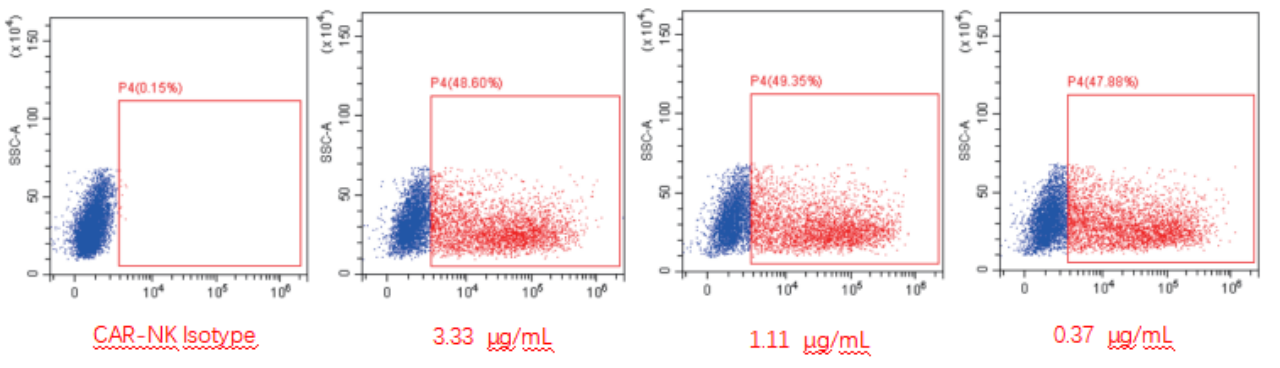
Figure 3. CAR-NK positivity at the higher end of the titration: isotype control, and 2.33, 1.11 and 0.37 μg/mL of Anti-G4S linker (905-5) Rabbit mAb.
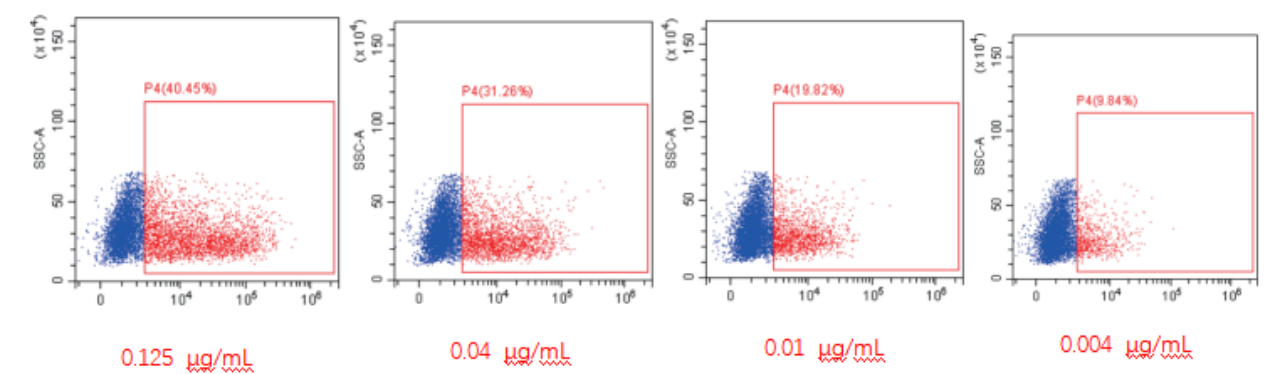
Figure 4. CAR-NK positivity at the lower end of the titration: 0.125, 0.04, 0.01 and 0.004 μg/mL.
The CAR-NK results show that even at a very low concentration — 0.37 μg/mL — G4S linker (905-5) Rabbit mAb is sufficient to detect CAR positivity reliably.
Benchmarking Against Imported Competitors
The performance of the PE-conjugated antibody was compared directly with that of an imported competitor (Company C) on CD19 CAR-NK cells.
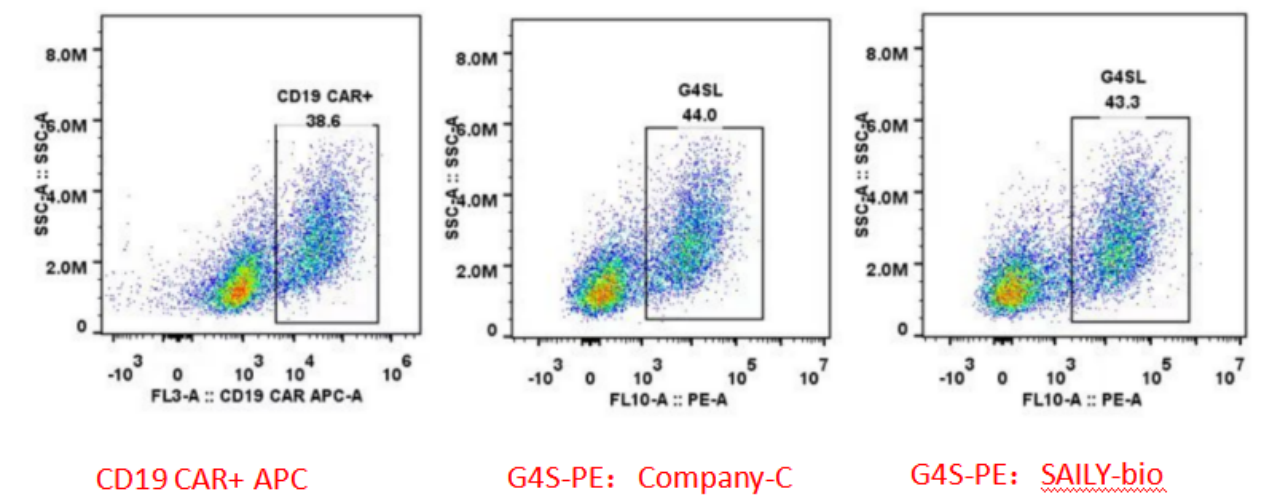
Figure 5. Side-by-side comparison. Left: CD19 CAR+ / APC. Center: G4S-PE, Company C. Right: G4S-PE, Sailybio.
1. In the PE channel, our Anti-G4S linker flow cytometry antibody gives a stronger fluorescent signal on CD19 CAR+ cells.
2. The CD19 CAR+ positivity determined by flow cytometry is close to that obtained with Company C, while our antibody resolves the cell populations more clearly.
Product Catalog
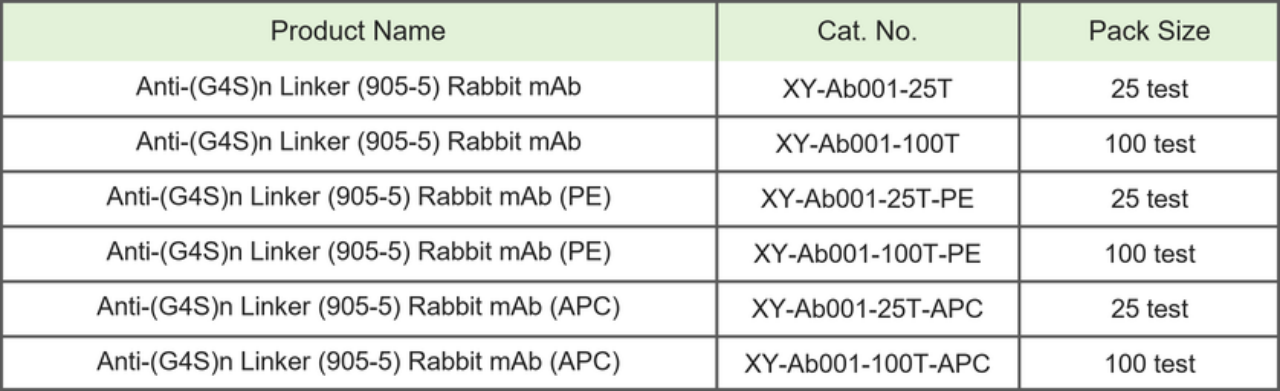 Table 1. Anti-(G4S)n Linker (905-5) Rabbit mAb product catalog.
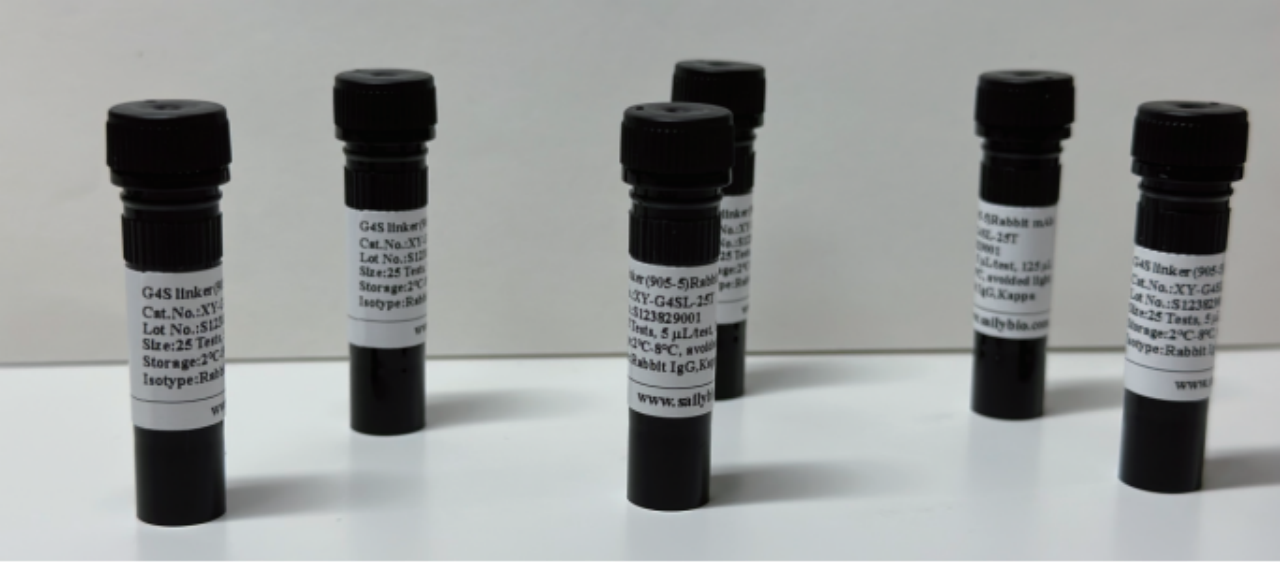
Figure 6. Anti-G4S linker (905-5) Rabbit mAb, supplied in 25 test and 100 test formats.
About Sailybio
Shanghai Sailybio Biotechnology Co., Ltd. was founded in 2015 with the mission of “continuously creating greater value for our customers and employees”. Serving the innovative drug development field, the company is committed to becoming a globally competitive service provider to pharmaceutical companies.
• The company has built more than 1,000 m² of R&D laboratory space and has an experienced biopharmaceutical R&D and clinical project management team. It provides industry clients with professional, regulation-compliant services in primary cell isolation and preparation, preclinical druggability evaluation and clinical project services.
• To date the company has been recognized as a “Shanghai High-Tech Enterprise”, has been included on Shanghai’s “specialized, refined, distinctive and innovative” (SRDI) list, and has passed GB/T 19001-2016 / ISO 9001:2015 quality management system certification. It serves more than 600 customers, including biopharmaceutical companies, cell and gene therapy companies, antibody drug companies, CROs, CDMOs and research institutions in China and abroad.

