


Drug discovery is a long marathon, and in vitro efficacy evaluation is the critical gateway through which candidate molecules advance toward the clinic. Leveraging three core technology platforms — immunobiology, cell biology and molecular biology — Sailybio provides one-stop in vitro efficacy evaluation services spanning antibody drugs, cell therapies and small-molecule drugs, accelerating your drug development process.
Service Catalog
Sailybio’s in vitro efficacy platform covers antibody efficacy assessment, cell function testing, molecular-level analysis, neutrophil research and cell induction and expansion. We offer a wide range of standard testing services and also support customized experimental designs.
Part One · In Vitro Efficacy Evaluation Services
Antibody Drug In Vitro Efficacy Assessment
·ADCC assay
·ADCP assay
·Cell depletion assay
·SLE cell depletion assay
·CRS assay
·Neutrophil-mediated ADCC assay
Cell Binding and Functional Assays
·FACS Binding assay (cellular level)
·MLR assay
·T cell function assay
·Neutrophil binding assay
·Affinity assay with human immune cells
Molecular-Level Assays
·Multiplex cytokine assay
·Annexin V/PI apoptosis assay
·Serum stability assay
·Cell marker expression assay
Neutrophil Assessment
·Neutrophil reactive oxygen species (ROS) assay
·Neutrophil migration assay
Other Specialized Assays
·KIR testing service
·Cell irradiation service
·Customized cell isolation service
Part Two · Cell Induction and Expansion Platform
Cell Induction and Functional Validation
·T cell activation assay
·Treg cell expansion and functional validation service
·Dendritic cell (iDC/mDC) induction service
·Macrophage induction service
·NK cell activation and expansion service
·γδ T cell activation and expansion service
Service Environment
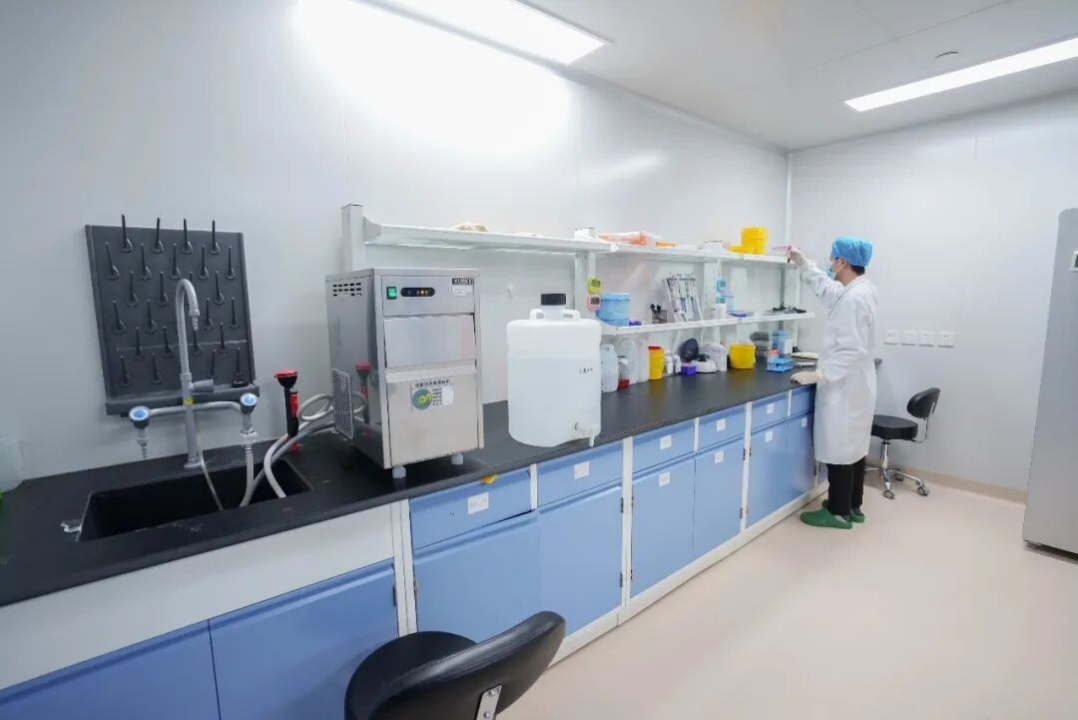
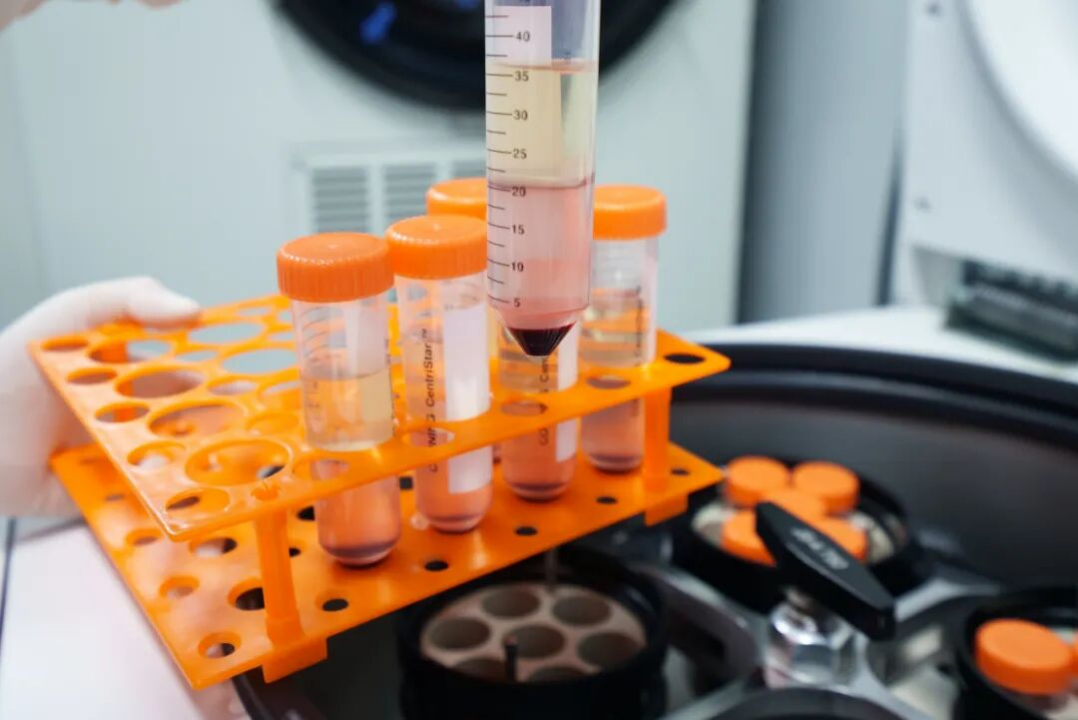
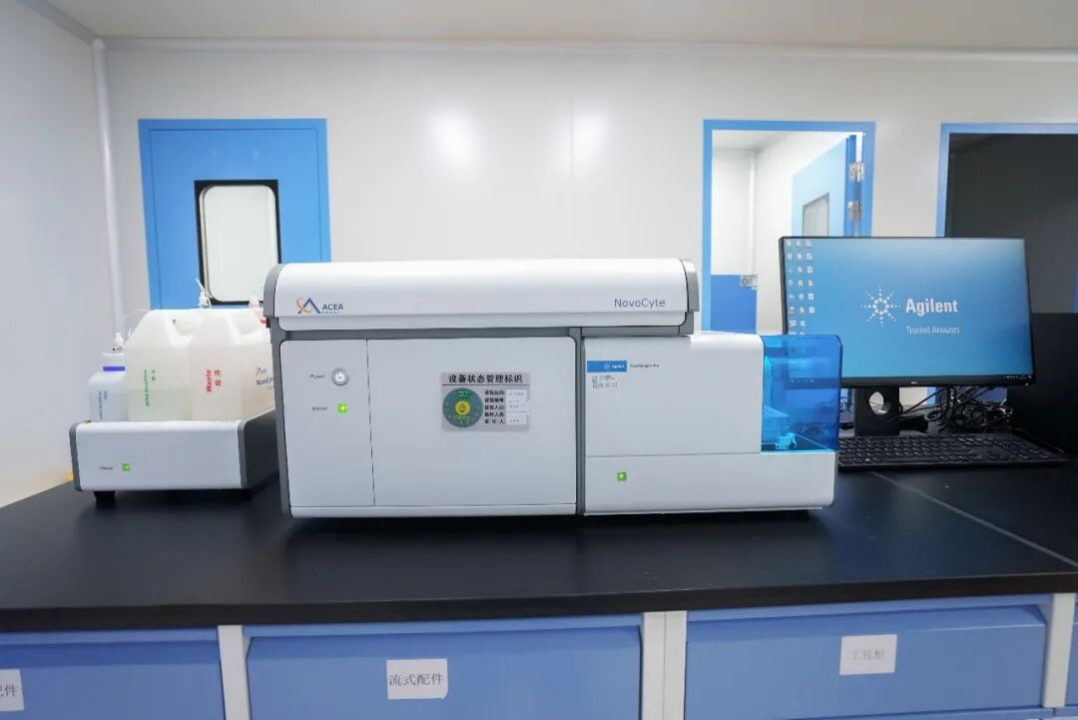
Sailybio operates a BSL-2 pathogen microbiology laboratory and professional laboratory facilities that meet industry standards. The company has obtained GB/T 19001-2016 / ISO 9001:2015 quality management system certification and holds 70+ patents, safeguarding the reliability of every data point we deliver.

Service Advantages
From compliance approval to data delivery, Sailybio has built a system of six core strengths.
STEP 01 Compliance Approval
Compliance approval is conducted in accordance with GCP regulations. Documentation meets new drug application requirements, laying the foundation for IND/NDA submissions.
STEP 02 Sample Matching
An extensive donor database enables pre-screening of donors with better immune responses. Multiple immune cell subtypes are continuously updated, with stable re-recruitment and rapid response.
STEP 03 Platform Operation
Three technology platforms work in concert, covering a full in vitro efficacy evaluation system including ADCC, ADCP, MLR, cell killing and multiplex cytokine assays.
STEP 04 Assay Execution
Stable, standardized processes reduce variability in experimental conclusions. We have mastered highly unstable cells such as neutrophils, and offer 24-hour turnaround for urgent projects.
STEP 05 Quality Control Review
Strict control at every batch, with traceable data across the entire workflow.
STEP 06 Data Delivery
On-time delivery rate of 99%, meeting the compliant data requirements for new drug applications and accelerating our clients’ pipelines.
A six-step closed loop · 99% on-time delivery · fully traceable
Case Studies
Case 1: Neutrophil-Based Reactive Oxygen Species Assay
Experimental Principle
·Under certain stimulating and activating conditions, neutrophils generate reactive oxygen species (ROS); excessive ROS causes significant damage to the body.
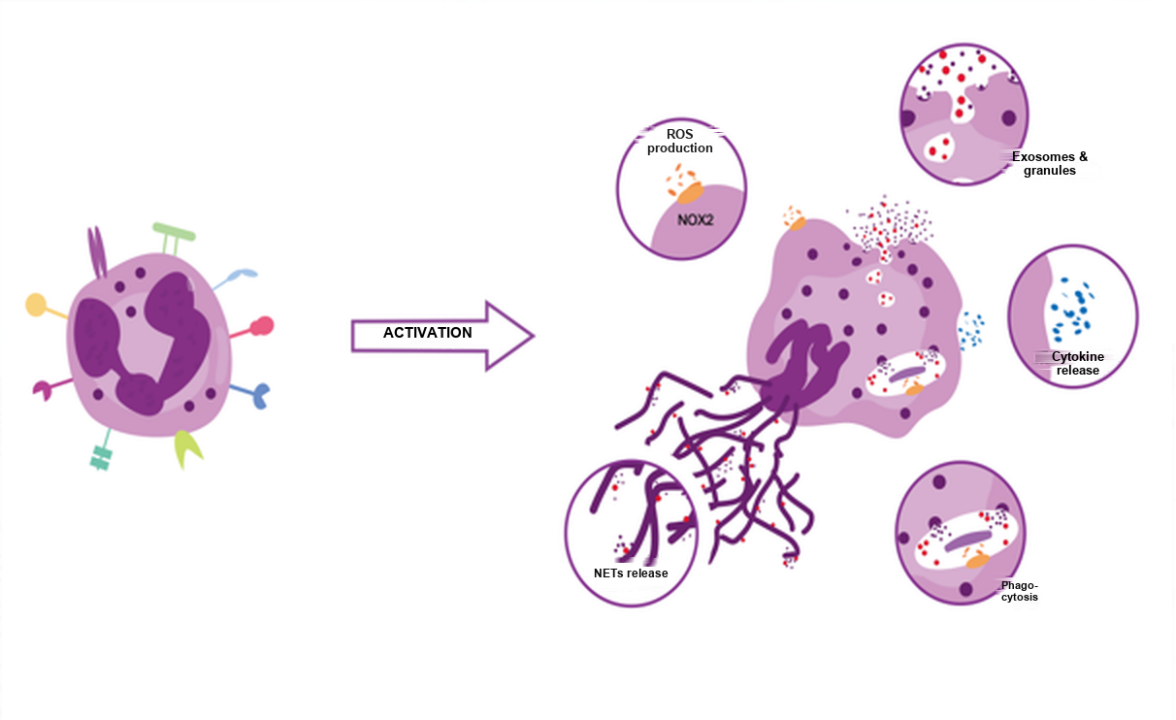
Figure 1. Neutrophil activation and its effector outputs.
Experimental Method
·Cells are labeled with the DCFH-DA fluorescent probe. By measuring changes in cellular fluorescence intensity, the effect of a drug on neutrophil ROS production can be analyzed.
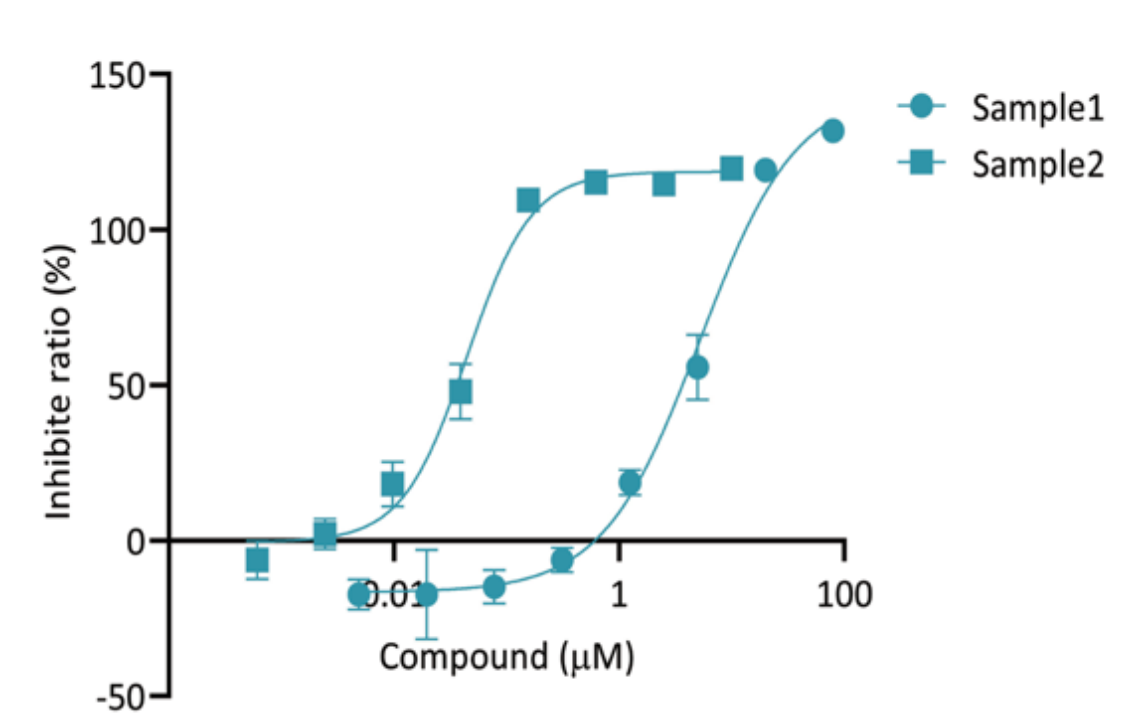
Figure 2. Dose–response inhibition curves of two samples.
Case 2: Antibody-Mediated Cytotoxicity Assay — ADCC
Value of the Assay
·The ability to produce an ADCC effect on target cells is an important functional indicator for antibody candidates targeting cancer-associated antigens.
·In the development of novel antibodies targeting TAAs or non-TAAs, ADCC assays are widely regarded by the industry as a necessary method to confirm or rule out the in vitro ADCC function of antibody candidates.
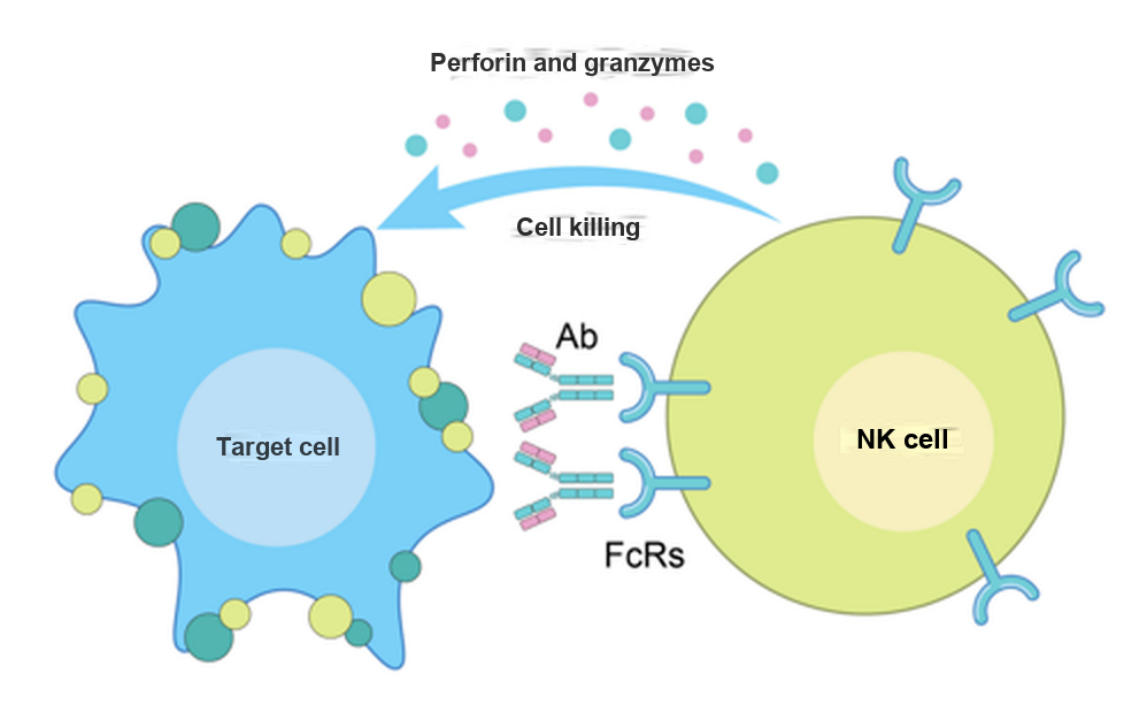
Figure 3. ADCC: antibody-mediated killing of target cells by NK cells.
Assay Advantages
·A stable and compliant source of immune cells shortens the assay cycle and ensures consistency of conclusions.
·Based on a donor population of 2,000+, NK cell donors with better immune responses can be pre-screened, accelerating R&D and reducing costs.
Typical Data
·Herceptin shows a marked ADCC effect on HER2-high tumour cells in a dose-dependent manner.
·PBMC effector cells from different donors show clear differences in killing efficacy.
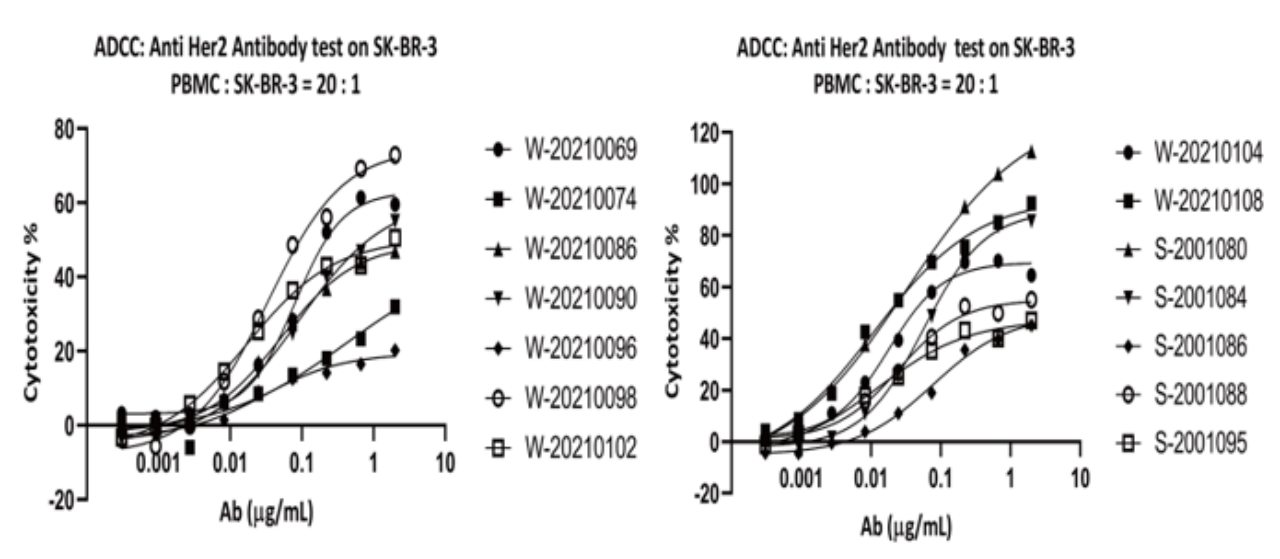
Figure 4. ADCC activity of anti-HER2 antibody on SK-BR-3 cells (PBMC : SK-BR-3 = 20 : 1).
Case 3: γδ T Cell Activation and Expansion
Assay Advantages
·We provide stable and reliable γδ T cell activation and expansion services. After 12 days of activation, γδ T cells can expand more than 400-fold with purity above 91%.
·After 12 days of activation and expansion, γδ T cells co-incubated with K562 cells at various ratios all produced marked killing effects on K562 cells, in a dose-dependent manner.
Typical Data
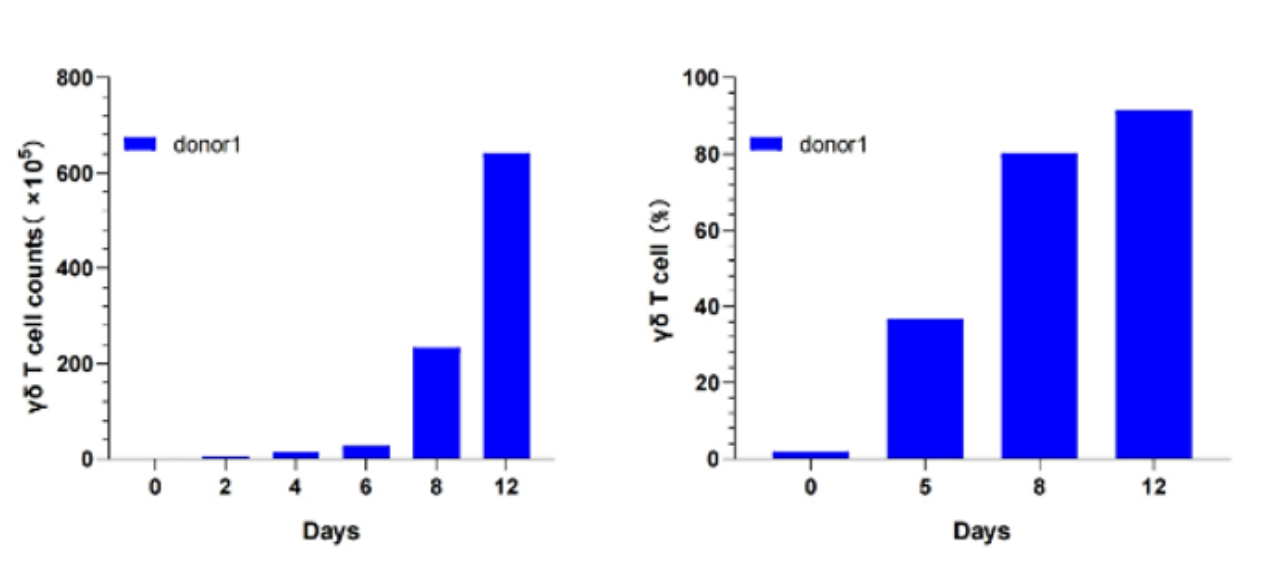
Figure 5. γδ T cell expansion: cell number and purity over 12 days.
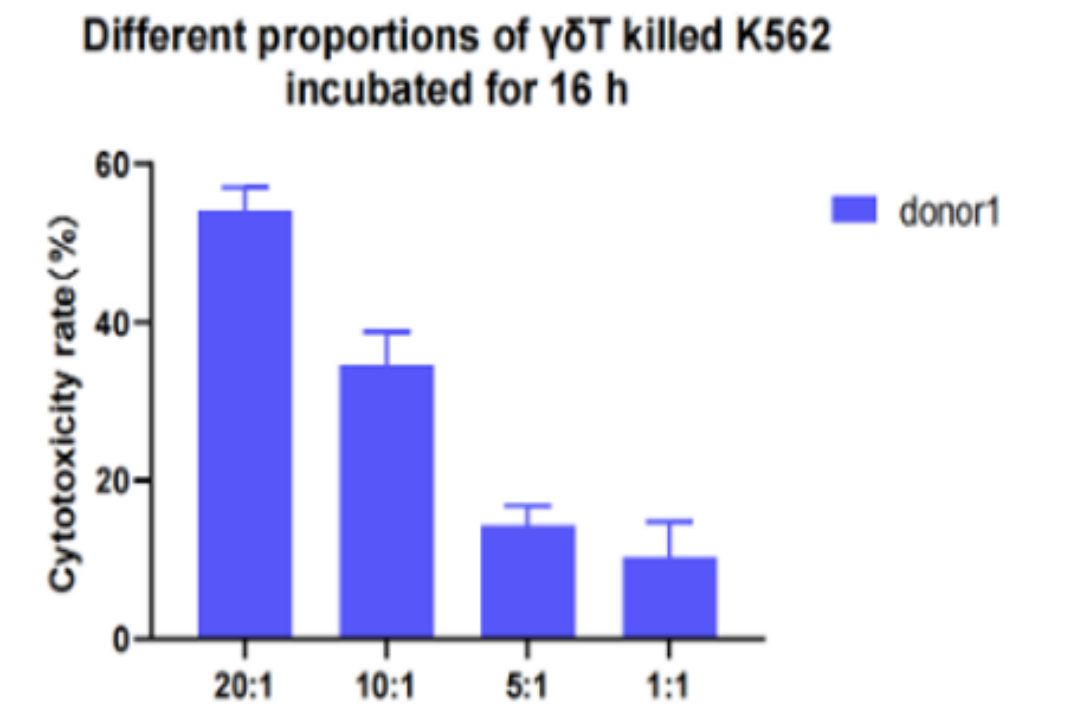 Figure 6. Cytotoxicity of expanded γδ T cells against K562 cells (16 h incubation).
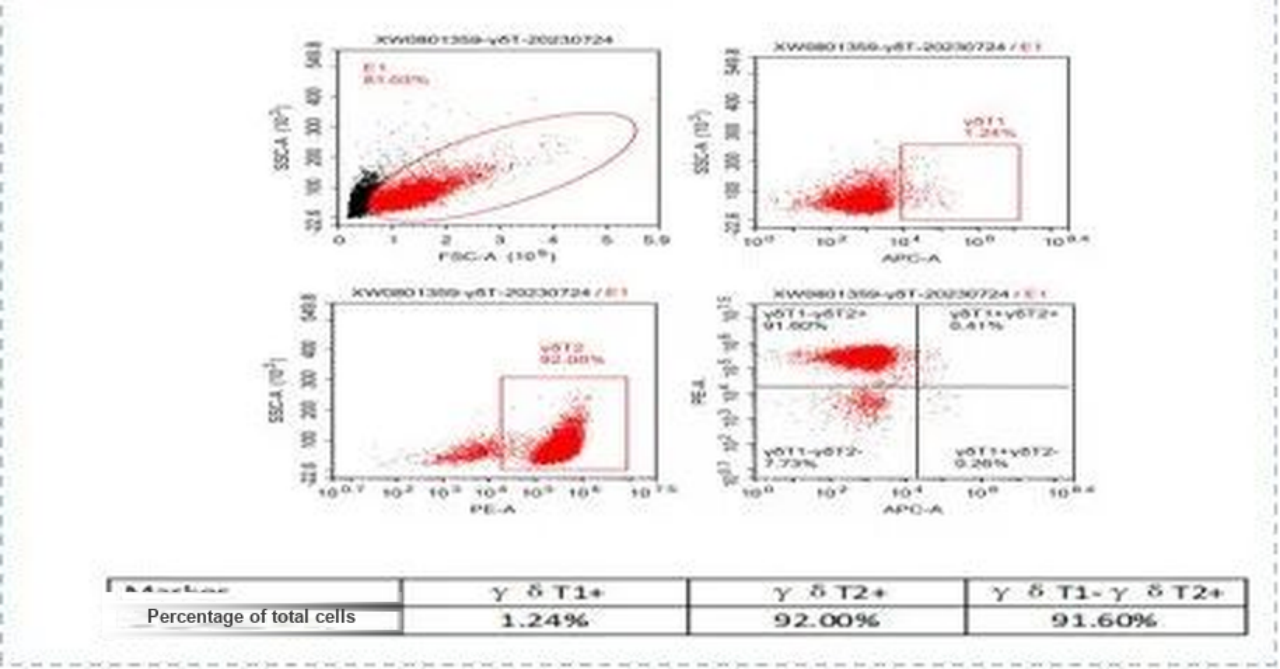 Figure 7. Flow cytometric analysis of γδ T cell purity after expansion.

