
Please wait while the product information is retrieved.
We could not load this product.
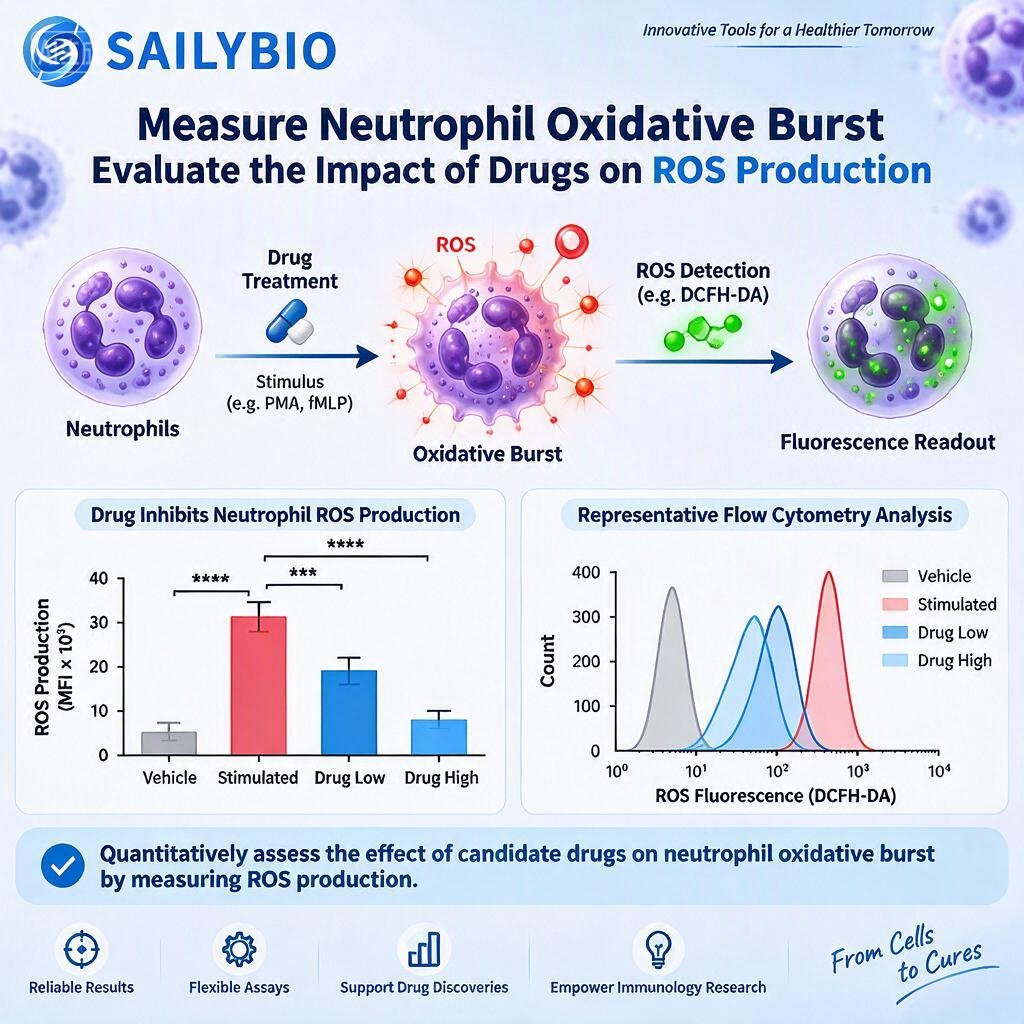
Three Major Clearance Functions of Neutrophils
① Chemotactic motility: chemokines (tissue injury–released factors and microbe-derived peptides) regulate neutrophil entry into the circulation; adhesion and “amoeboid” migration to the site of injury are mediated by L-selectin / P- and E-selectins and integrins (MAC-1, LFA-1);
② Phagocytic killing: pathogens are captured through phagocytosis, pinocytosis, and receptor-mediated endocytosis; phagolysosomes are formed and microbes are killed and degraded by lysosomal enzymes;
③ Anti-infection and wound repair: upon acute injury or pyogenic bacterial infection, large numbers of neutrophils accumulate, bone marrow reserves are mobilized, and peripheral blood counts rise rapidly.
Role of Neutrophils in Cancer and Immunotherapy
① Immunosuppression in the tumor microenvironment (TME): elevated CXCL8/IL-8 levels and increased tumor-associated neutrophils correlate with shorter survival and reduced clinical response to immune checkpoint inhibitors (ICIs);
② Dual role in ICI efficacy: in the context of immune checkpoint inhibitor therapy, neutrophils may either counteract or participate in the killing of tumor cells;
③ Immunomodulation by NETs: neutrophil extracellular traps (NETs) contain PD-L1 and possess immunosuppressive potential; DNase I treatment slows tumor growth and increases T-cell levels;
④ Combination therapy synergy: DNase I combined with anti–PD-1 therapy demonstrates a synergistic tumor-inhibitory effect in colorectal cancer models.
Functional Assay Applications
The reactive oxygen species (ROS) assay evaluates the effect of a drug on the neutrophil oxidative burst; the migration and chemotaxis assay (Transwell method) evaluates the promoting or inhibitory effect of stimulants or inhibitors on neutrophil migration.
High sample purity: isolated by density gradient centrifugation, granulocyte purity can exceed 90%;
Flexible sample formats: neutrophils are available in both fresh and cryopreserved formats to meet different experimental needs;
Compliant and stable sourcing: derived from peripheral blood; a compliant and stable sample supply that resolves the research bottleneck.
Platform advantages: 1,000+ m² R&D experimental platform; BSL-2 pathogenic microorganism laboratory; GMP-standard laboratories; 78 patented technologies; Shanghai “Specialized, Refined, Distinctive and Innovative” enterprise; GB/T 19001-2016 / ISO 9001:2015 quality management system certification. Technology platforms cover immunobiology, cell biology, and molecular biology; capable of pre-screening donors with better immune responses, providing customized services per customer requirements with guaranteed delivery timelines; project services are safe and compliant, meeting the compliance documentation requirements for new drug filings.
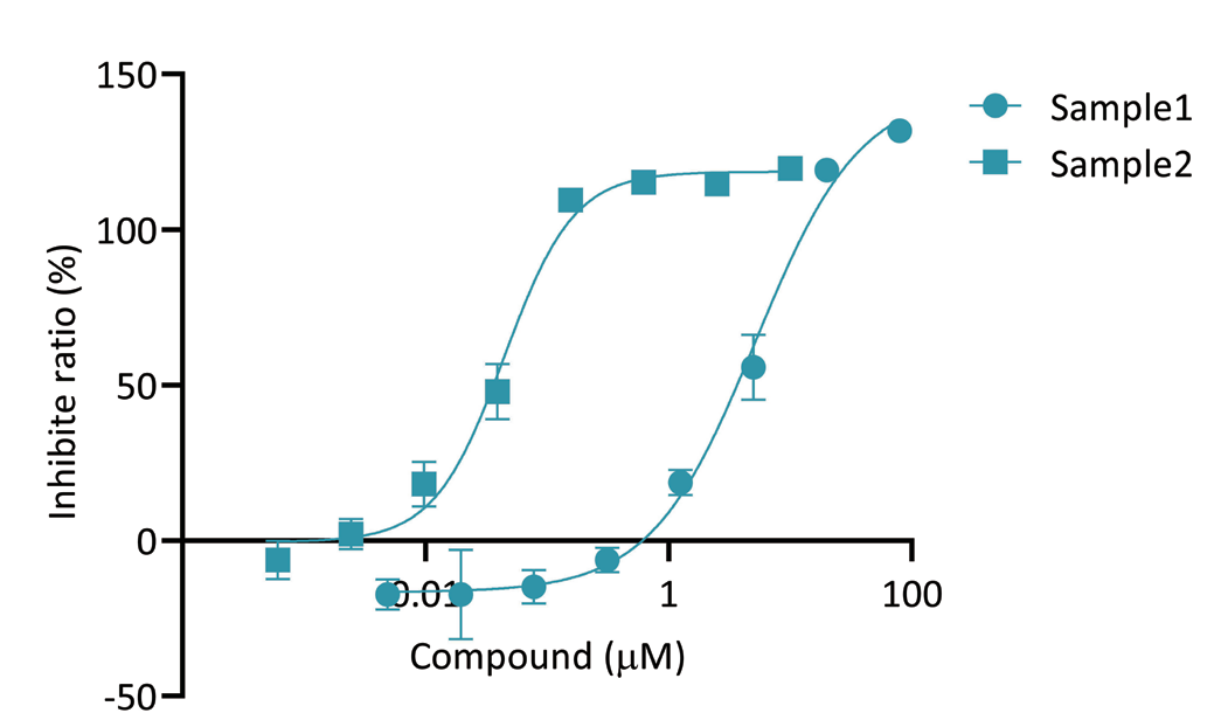
Figure: Representative case of the neutrophil reactive oxygen species (ROS) assay
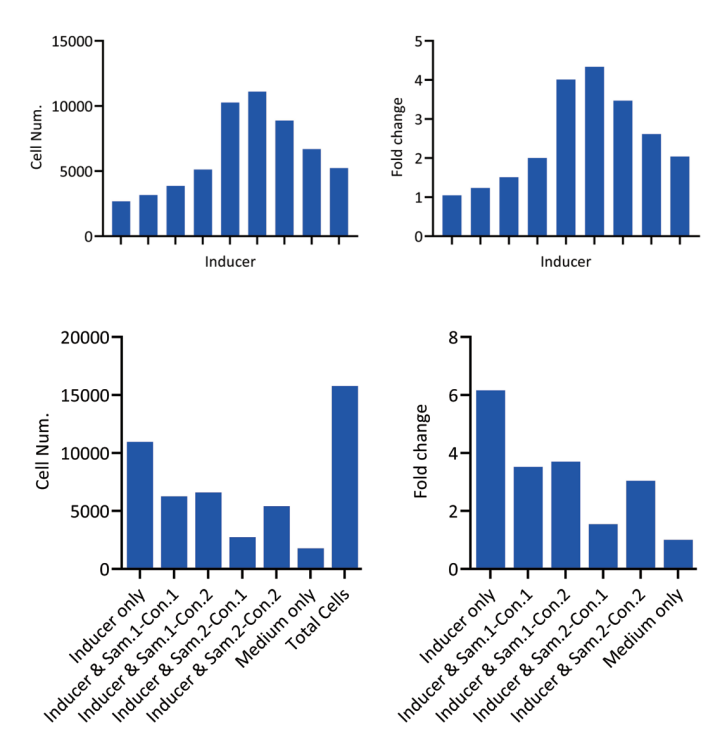
Figure: Neutrophil migration/ROS detection data
As the first line of defense against invading pathogens, neutrophils eliminate pathogens through multiple mechanisms and also play important roles in autoimmune diseases and tumor therapy. Ex vivo, neutrophils are highly unstable and readily activated; their average lifespan in blood is approximately 12–24 h, making a compliant and stable sample supply a critical bottleneck in this field of research. SailyBio provides a compliant and stable sample supply to resolve this bottleneck. Investigating the role and mechanisms of eosinophils in allergic diseases can help identify additional novel therapeutic targets for allergic diseases, which is of significant value for guiding clinical diagnosis and treatment.
SailyBio provides neutrophil assay and functional validation services covering core assays including reactive oxygen species (ROS) detection, neutrophil migration and chemotaxis assays, and affinity assays. These services address the industry-wide challenge of ex vivo neutrophil instability and support drug evaluation in autoimmune diseases, anti-infective therapy, and oncology.

Long Press to Scan QR Code
Scan QR Code