
Please wait while the product information is retrieved.
We could not load this product.
Bispecific antibody efficacy assessment: in vitro killing activity assessment of T-cell engager (BiTE) bispecific antibodies such as CD3xBCMA, CD3xCD19, and CD3xHER2.
CAR-T / TCR-T cell therapy: verification of the targeted killing function of gene-edited immune cells.
Post-internalization killing by ADCs: assessment of the synergistic killing effect of antibody-drug conjugates (ADCs) combined with effector cells.
Immune checkpoint combination therapy: optimization of combination killing regimens of PD-1/PD-L1 antibodies with bispecific antibodies.
Effector-to-target ratio optimization: screening and determination of the optimal E:T ratio for different antibody drugs.
Stable and compliant immune cell sourcing shortens experimental cycles and ensures consistency of conclusions.
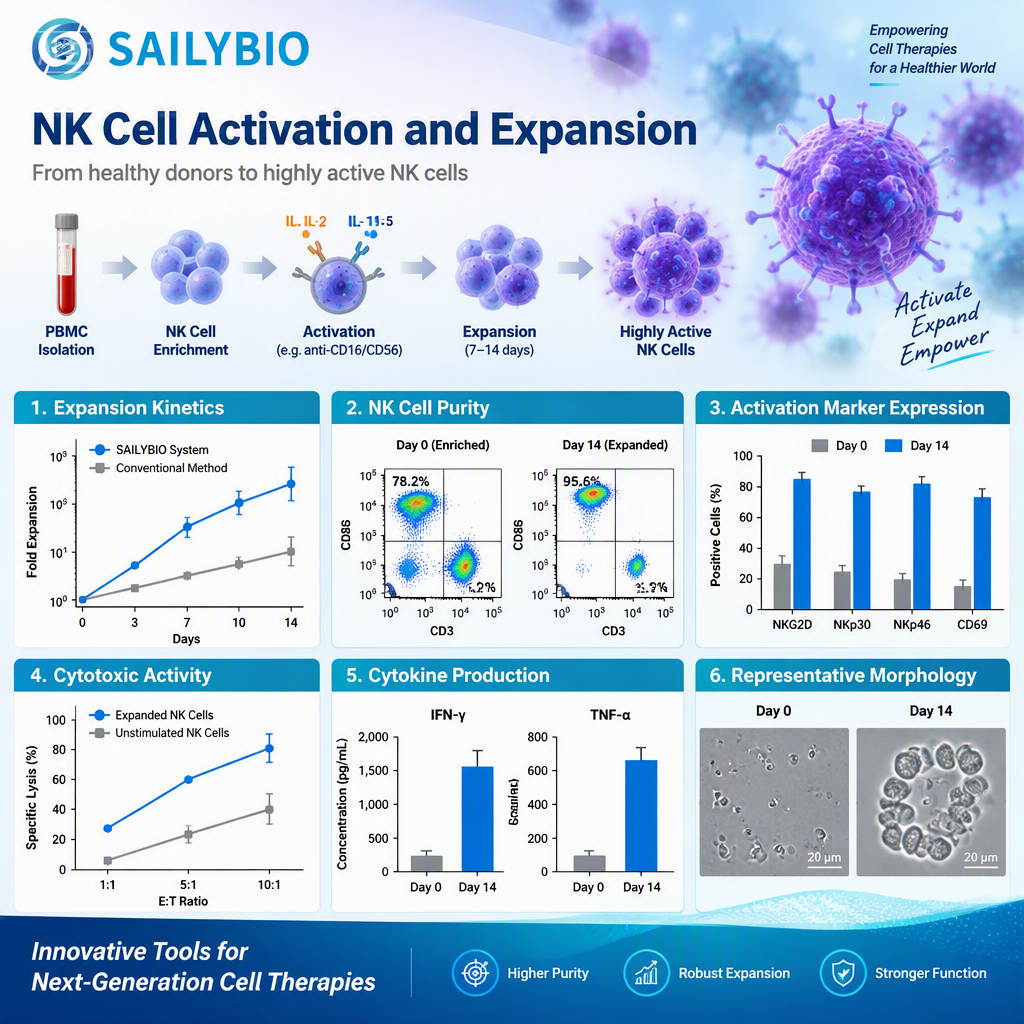
Based on a donor pool of more than 2,000 donors, NK cell donors with stronger immune responses can be pre-screened, accelerating development and reducing R&D costs.
Service advantages (TDCC):
Diverse effector cell sources: effector cells such as T cells and NK cells from healthy donors can be used to match different drug mechanisms of action.
Flexible target cell systems: supports multiple tumor target cell lines including BCMA, CD19, and HER2, with customizable target cell models.
Effector-to-target ratio gradient design: supports orthogonal experimental designs combining multiple E:T ratios and drug concentration gradients.
The Her2 monoclonal antibody exhibits a marked ADCC effect against Her2-high tumor cells in a dose-dependent manner;
PBMC effector cells from different donors show clearly distinct killing efficacy.
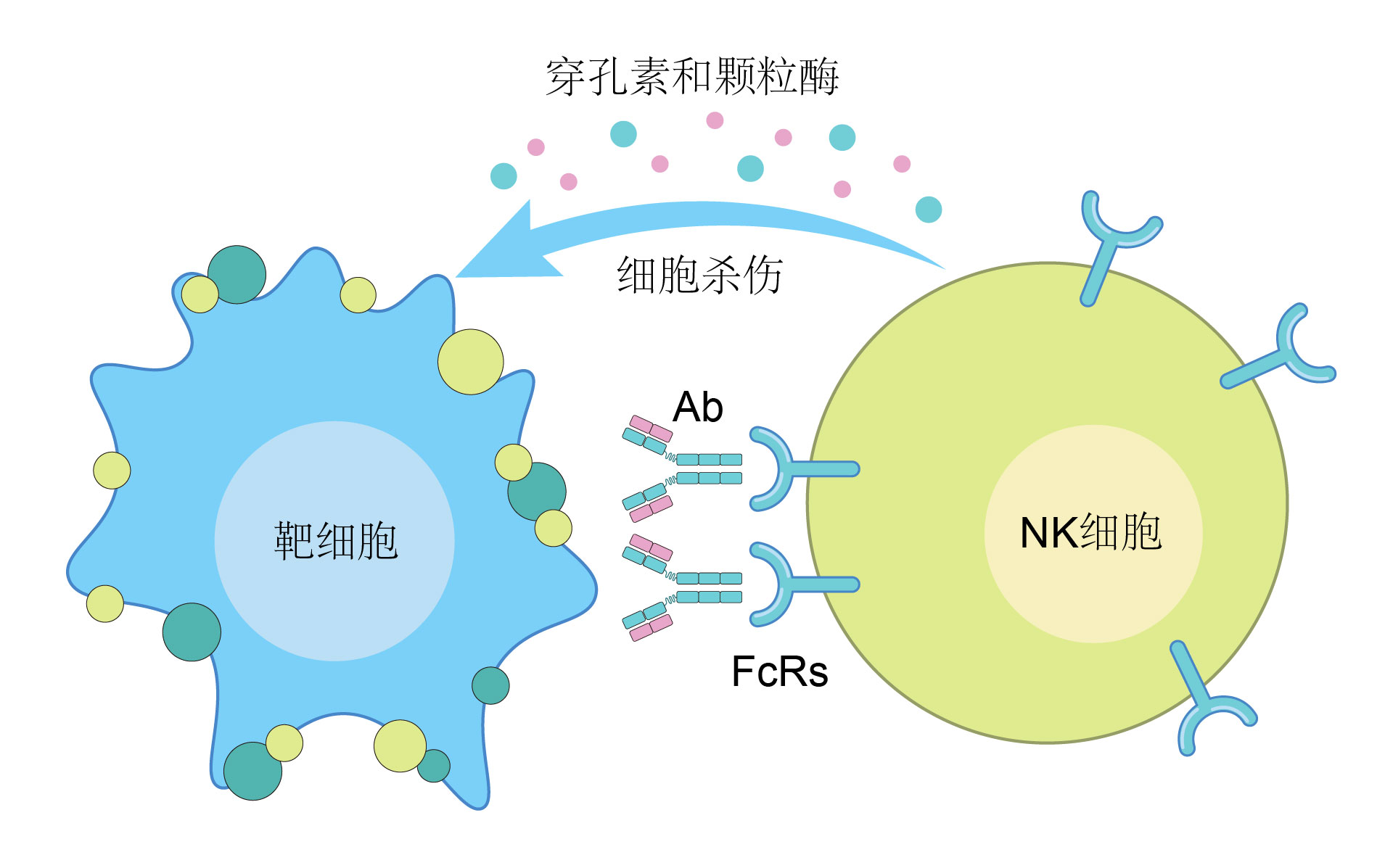
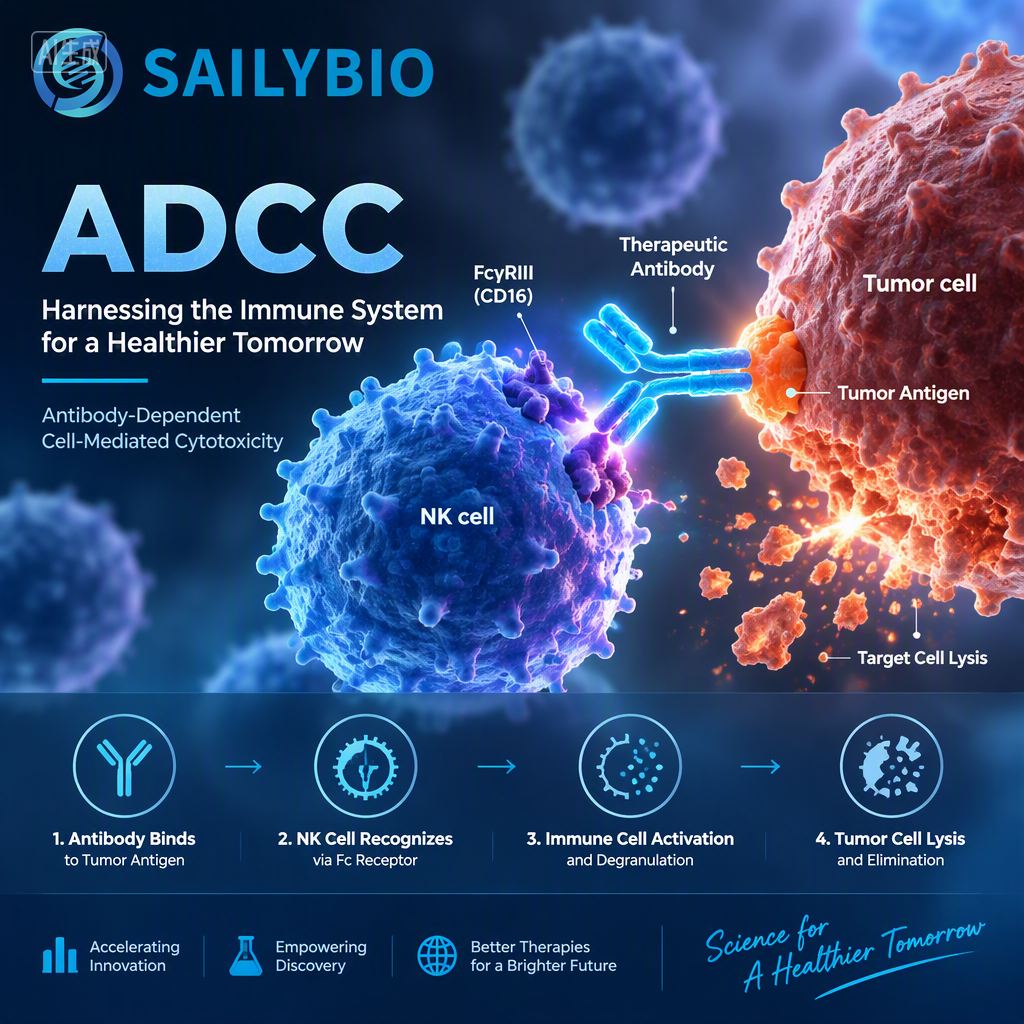
Figure: Schematic illustration of the ADCC assay principle
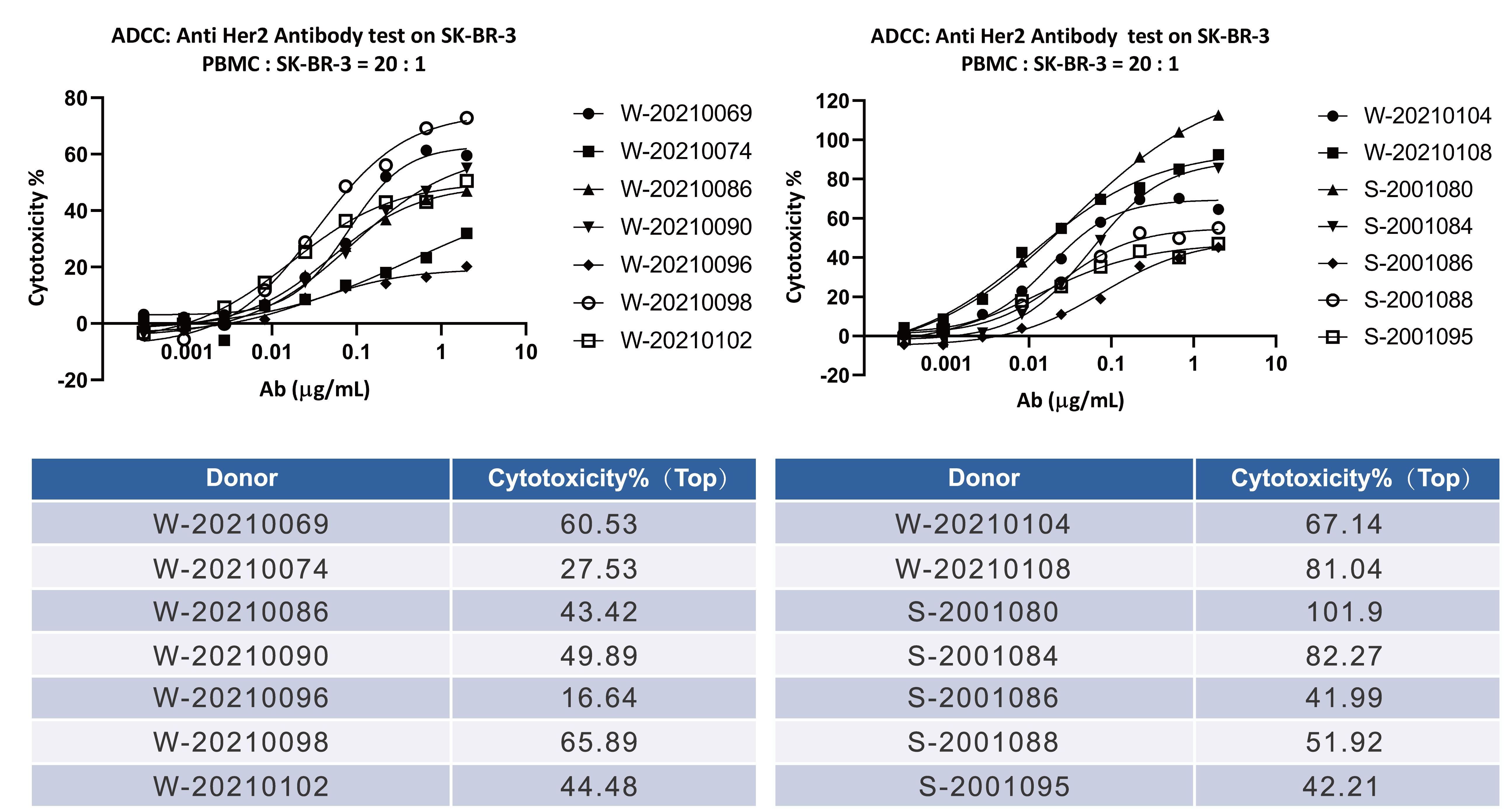 Figure: Dose-dependent ADCC killing data for the Her2 monoclonal antibody
Figure: TDCC (T-cell/NK cell killing) data presentation
The ability to induce ADCC against target cells is an important functional indicator for antibody candidates directed against cancer-associated antigens. In the development of antibody therapeutics targeting tumor-associated antigens (TAAs) or non-TAAs, the ADCC assay is widely regarded in the industry as a necessary means of verifying or excluding the in vitro ADCC function of antibody candidates.
SailyBio's ADCC assay service employs NK cell killing as the effector mechanism to systematically evaluate the antibody-dependent cellular cytotoxicity (ADCC) function of antibodies: drawing on a donor pool of more than 2,000 donors to pre-screen high-responder NK cells, combined with a dose-dependent Her2 monoclonal antibody case study, it meets the need for in vitro ADCC functional verification in the efficacy evaluation of new antibody drugs.
TDCC Killing Assay (T-Cell Killing Assay / NK Cell Killing Assay): effector cells and target cells are co-incubated at a defined effector-to-target (E:T) ratio, and the killing efficiency against target cells is measured under stimulation with antibody drugs. SailyBio provides TDCC killing assay services, covering applications such as bispecific antibody-mediated T-cell killing, CAR-T killing function verification, and cytotoxicity assays. A CD3xBCMA bispecific antibody case study validates T-cell-targeted killing activity, meeting the in vitro killing function evaluation needs of cell therapies and antibody drugs.

Long Press to Scan QR Code
Scan QR Code