Please wait while the product information is retrieved.
We could not load this product.
Anti-Drug Antibody (ADA) detection: immunogenicity assessment of therapeutic antibody drugs, including binding ADA and neutralizing ADA assays.
Cytokine Release Syndrome (CRS) safety assessment: evaluation of CRS risk for drugs such as CD3 bispecific antibodies and immune checkpoint antibodies.
Inter-donor variability analysis: assessment of differences in cytokine release among PBMCs from different healthy donors in response to the same drug, providing a reference for clinical trial design.
Preclinical safety evaluation: safety assessment of high-risk antibodies such as TGN1412 analogs (CD28 superagonists).
Infection/critical care, autoimmune diseases, tumor immunology, and CGT: inflammatory cytokine detection and safety assessment across multiple fields.
Regulatory compliance: complies with the Technical Guideline for Immunogenicity Studies of Drugs (China) and meets NMPA submission requirements.
Antibody discovery platform support: backed by an in-house antibody discovery platform, with a mature ADA detection technology system.
CBA multiplex platform: high-throughput, high-sensitivity, simultaneous detection of multiple analytes, compatible with a wide range of flow cytometry instruments.
Clinical sample advantage: leveraging SailyBio's clinically characterized sample resources to provide ADA reactivity testing on authentic human samples.
At relatively high concentrations, anti-human CD28 mAb (TGN1412 biosimilar) markedly stimulated PBMCs to secrete various cytokines, with clear inter-donor differences in secretion levels; anti-human PD-L1 mAb (Atezolizumab biosimilar) did not stimulate cytokine secretion by PBMCs even at relatively high concentrations. The performance of both agents in this assay system was consistent with their clinical profiles.
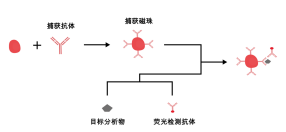 Figure: CBA-based multiplex inflammatory cytokine release assay
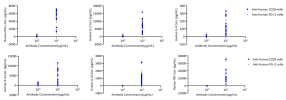 Figure: Cytokine secretion data of PBMCs stimulated by a TGN1412 analog
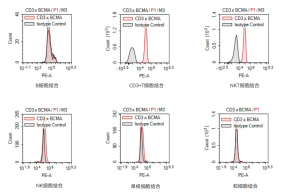 Figure: Specific affinity assay of antibody drugs with different immune cells
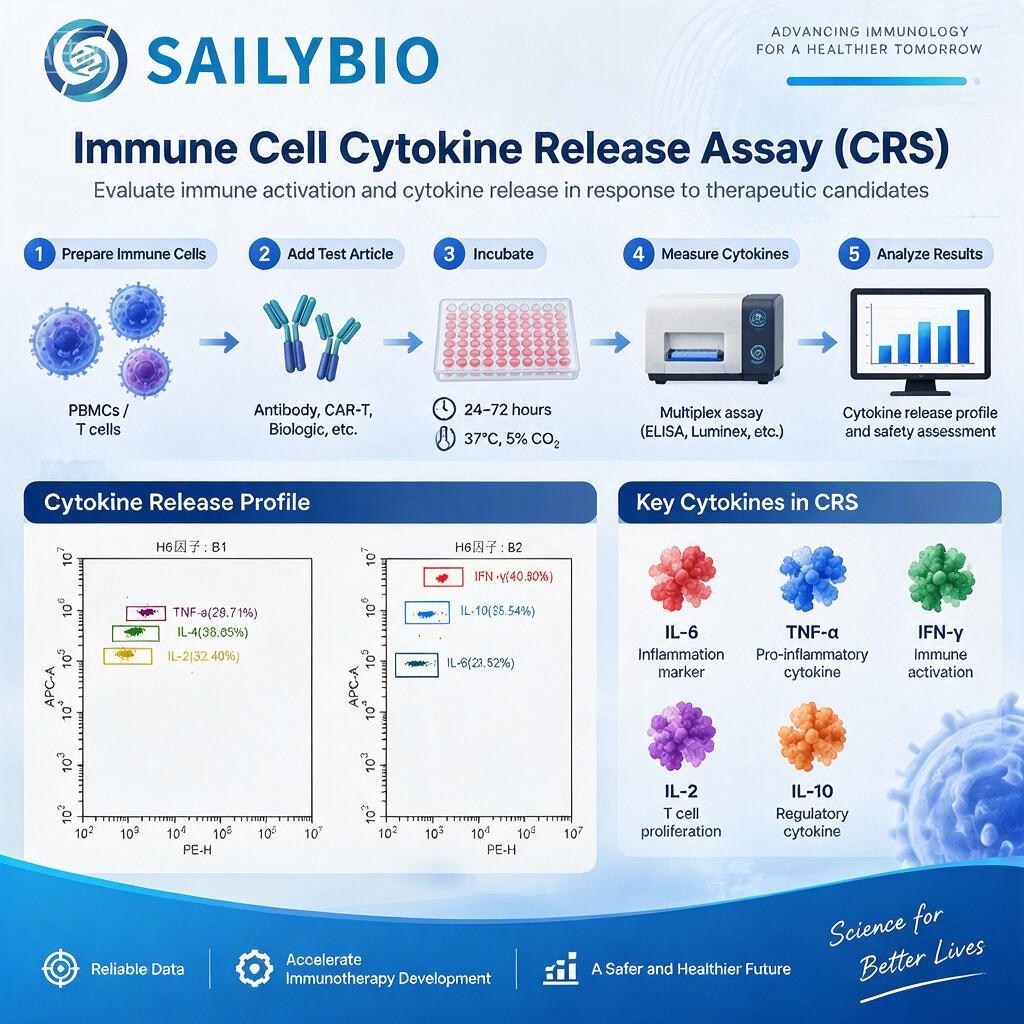
Cytokine release syndrome (CRS), as one of the major safety risks of immunotherapeutic agents, makes the establishment of a preclinical evaluation system directly relevant to the success or failure of drug development. With the rapid advancement of innovative therapies such as CAR-T cell therapy and bispecific antibodies, CRS has become a key factor leading to clinical trial suspension and even drug withdrawal. According to the Guideline on Safety Evaluation of Immunotherapeutic Drugs issued by the FDA in 2024, more than 60% of Phase II clinical trial failures are associated with unforeseen CRS-related toxicity. Against this backdrop, building a highly predictive in vitro CRS assay model has become a core element of the preclinical developability assessment of new drugs.
SailyBio provides professional CRS and cytokine storm detection services: leveraging a CBA multiplex platform for preclinical CRS evaluation, the service covers CAR-T safety assessment, bispecific antibodies, and cytokine release assessment for immune checkpoint antibodies, providing data support for preclinical safety studies of innovative drugs.

Long Press to Scan QR Code
Scan QR Code